
Body Type Calculator
Body Type Calculator helps you determine your somatotype — Ectomorph, Mesomorph, or Endomorph — based on your body measurements and proportions. This method is derived from the Heath–Carter approach, which evaluates skeletal structure and fat distribution.
Knowing your body type is useful for fitness planning, training style, muscle gain strategy, and personalized nutrition. Just enter your height, weight, waist, and wrist measurements to find your dominant body type.
Body Type Calculator
How This Body Type Calculator Works
This Body Type Calculator uses a simplified version of the Heath–Carter somatotype method to estimate your body structure based on measurements such as height, weight, waist size, and wrist size. It helps you understand whether your body is more likely to be ectomorph, mesomorph, or endomorph.
Knowing your body type is useful for designing better fitness routines, diet plans, and lifestyle choices. It gives you a general idea of how your body responds to training and nutrition.
You can also explore related health tools such as the BMI Calculator, which measures your body mass index, and the Body Fat Calculator, which estimates your body fat percentage for more accurate health tracking.
The Three Body Types Explained
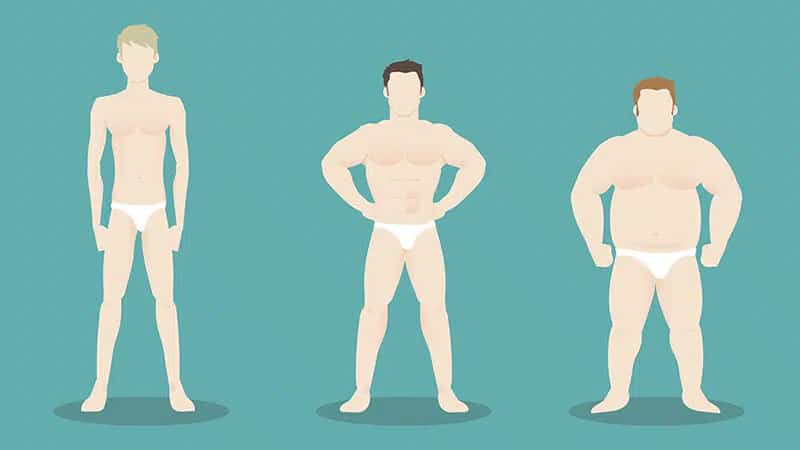
- Ectomorph: Naturally slim, long limbs, and fast metabolism. Ectomorphs usually find it harder to gain weight and muscle mass. Useful tools: BMI Calculator, Calorie Calculator.
- Mesomorph: Athletic and naturally muscular body type with a balanced structure. Mesomorphs gain muscle easily and respond well to training. Useful tools: Percentage Calculator, Unit Converter.
- Endomorph: Broader frame, higher tendency to store fat, and slower metabolism. Endomorphs often need structured diet and workout plans. Useful tools: Ideal Weight Calculator, Body Fat Calculator.
Why Body Type Matters
Your body type (somatotype) can influence how your body reacts to exercise, food, and lifestyle habits. While it is not a strict scientific classification, it is widely used in fitness and nutrition planning.
Understanding your body type can help you:
- Choose the right workout program
- Adjust calorie intake more effectively
- Set realistic fitness goals
- Improve weight management strategies
For example, ectomorphs may need higher calorie intake to gain muscle, while endomorphs may focus more on calorie control and fat loss strategies.
Examples of Body Types
- Ectomorph Example: 180 cm height, 60 kg weight, small wrist size. They typically have a lean physique and low body fat.
- Mesomorph Example: 175 cm height, 75 kg weight, moderate wrist size. They have a naturally athletic and balanced build.
- Endomorph Example: 170 cm height, 90 kg weight, wider waist and bone structure. They tend to gain fat more easily and need structured fitness plans.
To understand body composition better, you can also use the Body Fat Calculator or track your health progress using the BMI Calculator.
Learn more about body types on Wikipedia: Somatotype.
Benefits of Using a Body Type Calculator
This tool is helpful for anyone who wants to improve their fitness awareness without complicated measurements or professional testing.
- Quick and easy body type estimation
- No medical knowledge required
- Useful for fitness and diet planning
- Helps set realistic body goals
- Works instantly online for free
Related Tools
- Body Fat Calculator
- Ideal Weight Calculator
- BMI Calculator
- Calorie Calculator
- Unit Converter
- Percentage Calculator
- Loan Calculator
- GPA Calculator
FAQs – Body Type Calculator
What is a somatotype?
Somatotype refers to your natural body type: Ectomorph, Mesomorph, or Endomorph.
Is body type genetic?
Yes. Your basic body structure is mostly determined by genetics.
Is this calculator accurate?
It provides a simplified estimation based on body proportions.
Can my body type change over time?
Yes. Training and diet can shift you toward another category.
Is this useful for fitness planning?
Yes. Workout programs often differ depending on the body type.